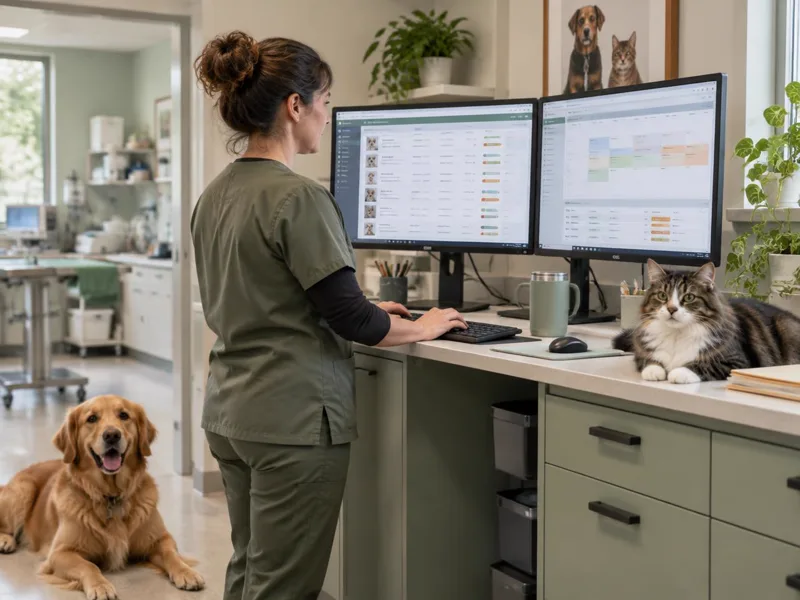
The veterinary practice software that files the insurance claim for you.
Run your whole practice on QuillsFlow, or keep your current PIMS and add our claims and AI tools on top. Either way, your team spends less time on paperwork and more time with patients.
Now enrolling pilot clinics for November 2026
Replace your PIMS or keep it.
QuillsFlow works either way.
Adopt QuillsFlow as your complete practice management system, or securely connect Quill's full functionality to the PIMS you already use. The technology and outcomes stay consistent; the deployment fits your operation.
One system for everything
Complete QuillsFlow PIMS
Manage scheduling, patient records, clinical documentation, billing, inventory, claims, payments, analytics, and connected experiences in one platform.
Best if you want one system end to end
Explore the complete PIMSKeep the PIMS you know
Quill Integration Layer
Securely add Quill's AI, claims, workflow, analytics, insurer connectivity, and portal functionality without replacing your current PIMS.
Best if you're keeping your current PIMS
Explore the integration layer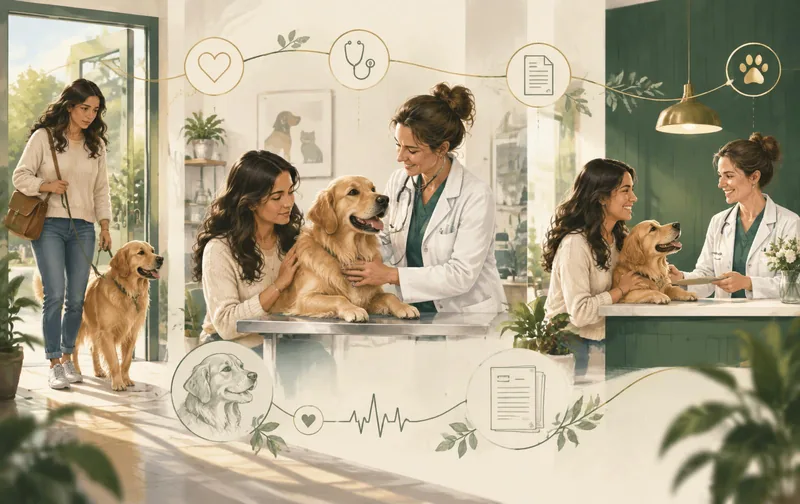
Clearer estimates for pet parents. More time with the patient.
QuillsFlow is designed to move the administrative work around the clinical encounter—so the people in the room can stay focused on the patient.
01 · Arrival
Luna’s family sees an estimate and expected coverage before care begins.
02 · Care
The clinical team stays with Luna while documentation takes shape in the encounter.
03 · Claim
The record is checked for gaps before the clinic approves submission.
Veterinary practice management, built around the claim.
Use QuillsFlow as the full system running the clinical encounter, or connect these capabilities to your current PIMS. In either path, the AI Confidence Engine checks claim readiness before filing.
Today's practice
Active visit · LunaLuna · Exam room 2
Clinical note drafted · Awaiting clinician review
Practice Management
QuillsFlow
- ✓AI Clinical Scribe that drafts notes for vet review
- ✓Claim preparation and submission workflow at checkout
- ✓Treatment plan estimates before treatment starts
- ✓Connected payment workflow for clinic and pet-parent shares
QuillsFlow · AI Confidence Engine
Sample claimReviewing claimUrinary blockage — Luna · Domestic Shorthair
$1,840 treatment plan
- ✓Documentation matches diagnosis
- ✓Treatment plan within policy terms
- ✓No pattern match against common denial reasons
Reason: Complete documentation, in-policy treatment. Ready to file.
Denial Prevention · Built In
AI Confidence Engine
- ✓Reviews each pilot claim before it is filed
- ✓Checks documentation, x-rays & imaging against diagnosis and policy terms
- ✓Shows a risk score with a plain-language reason
- ✓Catches gaps early — before the insurer does
- ✓Designed to surface denial patterns for team review
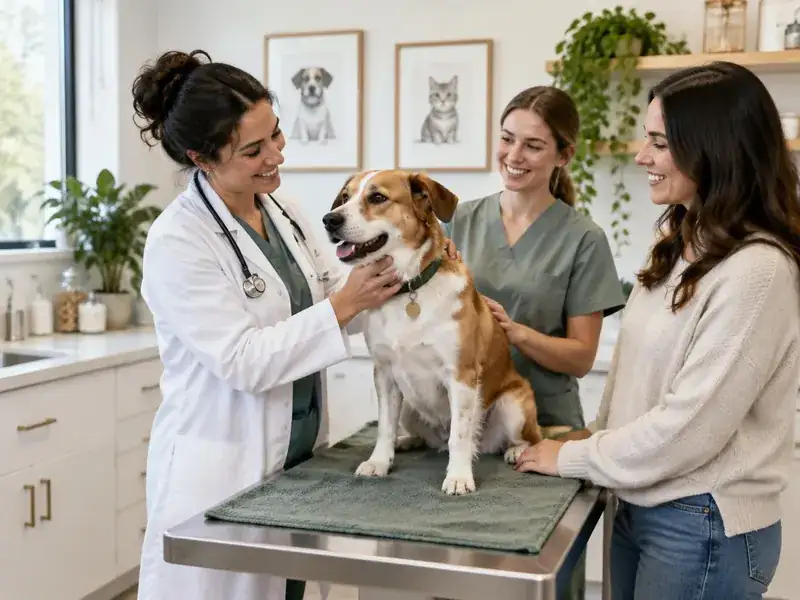
Built for your whole clinic team.
One connected care journey, with a clear view for every person involved.
- ✓Full practice management — records, SOAP, labs
- ✓AI Clinical Scribe — clinician-reviewed documentation
- ✓Claim package prepared after veterinarian signature
- ✓Connected payment workflow defined with pilot partners
- ✓Treatment plan estimates before treatment starts
- ✓IDEXX and Antech lab integrations planned
Apply to join the clinic pilot.
Apply for early access to the QuillsFlow pilot. We'll reach out personally with pilot details, early pricing and onboarding priority.
Pilot enrollment timeline
Pilot enrollment
Open now
Clinics and insurers applying for the November pilot cohort
Pilot
November 2026
Guided clinic and insurer validation throughout the pilot period
General availability
February 2027
Planned public launch following successful pilot completion